In a world where waiting for data feels like watching paint dry, edge computing swoops in like a superhero in a spandex suit. It’s the tech that’s turning the tables on traditional cloud computing by bringing data processing closer to the action. Imagine your devices chatting faster than gossiping neighbors—this is what edge computing does, and it’s changing the game.
What Is Edge Computing?
Edge computing represents a shift in data processing that enhances speed and efficiency. By bringing computation closer to data sources, it minimizes latency and enables real-time insights.
Definition of Edge Computing
Edge computing refers to a decentralized computing framework. Data processing occurs near the source of data generation, rather than being sent to centralized cloud data centers. This approach allows for rapid data analysis and response times. Organizations benefit from improved efficiency, reduced bandwidth costs, and enhanced data privacy. With countless devices generating data, edge computing plays a vital role across industries like IoT, healthcare, and autonomous vehicles.
How Edge Computing Works
Edge computing operates by distributing computational tasks to devices located near the data source. It employs local servers, gateways, or even devices themselves to process data immediately. Rather than sending all data to the cloud, only essential information gets transmitted. Such an arrangement minimizes delays and enhances user experiences. By utilizing machine learning algorithms at the edge, devices can analyze and act on data instantly. Consequently, this results in timely decision-making and improved performance in applications requiring real-time processing.
Benefits of Edge Computing
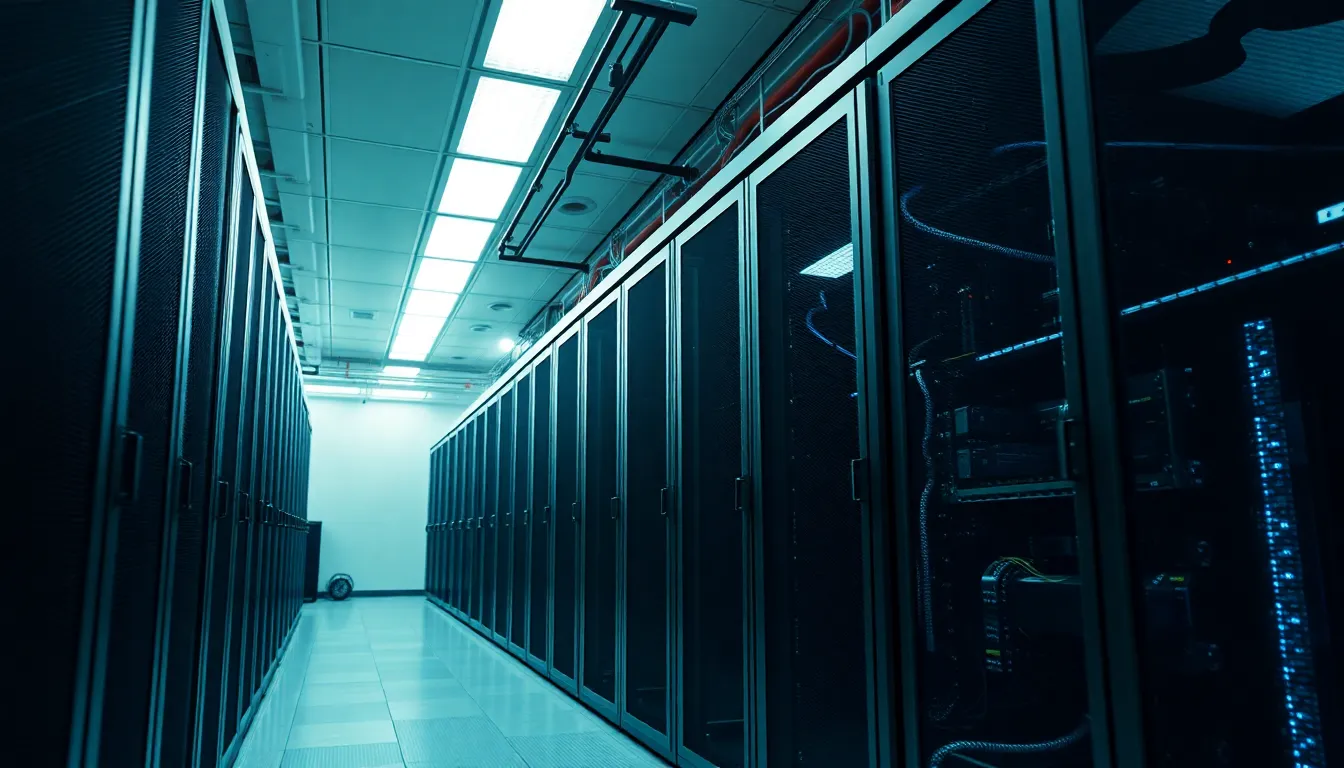
Edge computing offers several advantages that enhance operational capabilities across various sectors. By processing data closer to its source, organizations experience significant improvements in latency, bandwidth efficiency, and data security.
Reduced Latency
Reduced latency stands out as a primary benefit of edge computing. By placing computational resources near data generation points, systems can process information faster, enabling immediate decisions. Real-time analytics becomes more feasible in applications such as autonomous vehicles, where milliseconds can make a difference in safety and performance. Delays diminish when data doesn’t have to travel to centralized data centers. Consequently, user experiences improve as applications respond more swiftly, enhancing overall satisfaction.
Improved Bandwidth Efficiency
Improved bandwidth efficiency emerges when organizations utilize edge computing. Rather than transmitting vast amounts of data to the cloud, edge devices filter and analyze data locally. Appliances process only relevant information and send essential insights to central servers. This approach minimizes bandwidth consumption and reduces costs associated with data transfer. Industries like IoT benefit by preserving network capacity for critical applications. Occupying less bandwidth allows organizations to allocate resources more effectively, facilitating smoother operations.
Enhanced Data Security
Enhanced data security accompanies the implementation of edge computing. Data remains closer to its source, reducing the likelihood of exposure during transmission to distant servers. Organizations can implement localized security protocols to protect sensitive information. With real-time processing occurring at the edge, there’s less risk of data theft or interception. Industries such as healthcare and finance particularly benefit from these robust security measures. Safeguarding sensitive data leads to greater trust and compliance with regulatory standards.
Applications of Edge Computing
Edge computing significantly impacts various sectors by enabling efficient data processing at the point of generation. Organizations leverage its capabilities to enhance operations and foster innovation.
Internet of Things (IoT)
IoT devices depend on edge computing to optimize performance. Local processing of data minimizes latency and enhances real-time decision-making. Utilized in industries like manufacturing and healthcare, edge computing enables devices to analyze data on-site. This capability leads to improved automation and quicker responses to changes. An example is smart sensors in factories that process data instantly to identify machinery issues, thus reducing downtime.
Smart Cities
Edge computing plays a crucial role in the development of smart cities. Urban infrastructure benefits from real-time data processing that enhances traffic management and energy distribution. For instance, traffic lights equipped with edge computing technology can adjust signal timings based on current traffic conditions. This improves traffic flow and reduces congestion. Additionally, smart waste management systems optimize collection routes and schedules using local data processing.
Autonomous Vehicles
Autonomous vehicles utilize edge computing to enhance safety and navigation. By processing data from cameras and sensors in real time, vehicles can make quick decisions. This capability is vital for navigating complex environments and avoiding obstacles. Furthermore, edge computing enables vehicles to communicate with each other and infrastructure, which enhances overall traffic efficiency. Each vehicle can respond to nearby hazards faster than relying solely on cloud computing.
Challenges of Edge Computing
Edge computing faces several challenges that can impact its effectiveness and adoption. Organizations must navigate these issues to fully leverage its benefits.
Security Concerns
Security remains a significant challenge for edge computing. Local data processing increases the number of nodes and devices, creating more potential entry points for cyberattacks. Organizations often struggle to implement robust security measures across distributed environments, risking data breaches and unauthorized access. Additionally, regulatory compliance standards demand heightened security protocols, complicating deployment efforts. Ensuring data integrity and protection while maintaining performance is crucial.
Integration with Legacy Systems
Integrating edge computing solutions with legacy systems poses difficulties for many organizations. Existing infrastructures often rely on outdated technologies that lack compatibility with modern edge computing frameworks. Stakeholders encounter challenges in synchronizing workflows and maintaining data consistency across platforms. Legacy systems may also limit the ability to scale or adapt to new edge deployments. Successful integration requires careful planning and investment in compatible technologies to ensure seamless data flow and operational efficiency.
Scalability Issues
Scalability presents another hurdle in the edge computing landscape. As organizations expand their edge deployments, coordinating numerous devices and data sources can strain resources. Managing increased data volumes generates challenges in processing power and storage capacity. Ensuring consistent performance across multiple locations demands effective resource allocation and infrastructure optimization. Organizations need solutions that can scale effectively with growing data demands while maintaining reliability and speed.
Future of Edge Computing
Edge computing stands at the forefront of technological advancements, shaping the future of data processing. Various trends indicate a significant shift toward decentralized computing systems.
Trends to Watch
Increased adoption of 5G technology accelerates edge computing implementation, enhancing real-time data processing and connectivity. Growth in Internet of Things devices leads to greater data generation, driving demand for localized processing solutions. Organizations emphasize privacy, prompting the development of edge solutions that ensure data stays closer to its source. Additionally, artificial intelligence’s integration into edge systems empowers smarter decision-making and predictive analytics, optimizing operations across industries. Standardization of edge computing protocols facilitates smoother interoperability among diverse devices and platforms, promoting wider usage and scalability.
Potential Innovations
Emerging technologies demonstrate promise in evolving edge computing capabilities. Quantum computing has potential to revolutionize data processing speeds and complex problem solving at the edge, offering immense computational power. Advanced machine learning algorithms enable real-time data analysis and enhanced user experiences through context-aware applications. Integration of augmented reality with edge computing can transform fields like retail and maintenance by providing instant, actionable data to users. Innovations in edge security, such as blockchain technology, strengthen data protection and enhance trust in distributed environments. Continued investments in edge infrastructure aim to support rapidly growing data demands and foster new business models.
Conclusion
Edge computing is set to redefine how organizations handle data by enhancing speed efficiency and security. As industries increasingly adopt this technology the benefits become more apparent. Real-time processing capabilities lead to smarter decision-making and improved user experiences across various applications.
Despite challenges like security and integration with legacy systems the future looks promising. With advancements in 5G technology and the rise of IoT devices edge computing will continue to evolve. Organizations that embrace this shift will not only optimize their operations but also pave the way for innovative business models that leverage localized data processing. The journey into edge computing is just beginning and its impact will be felt across multiple sectors for years to come.