In recent years, the topic of travel restrictions has sparked intense debate, especially concerning green card holders. These individuals, who have established their lives in the United States, often find themselves caught in the crosshairs of evolving immigration policies. The implications of a travel ban on green card holders can be profound, affecting everything from family reunification to career opportunities.
Understanding the nuances of such a ban is crucial for those impacted and for the broader community. As policies shift, green card holders face uncertainty about their rights and freedoms. This article delves into the specifics of the travel ban, its origins, and its consequences, shedding light on a complex issue that resonates with many.
Overview of the Green Card Holders Travel Ban
The green card holders travel ban impacts lawful permanent residents in the United States. Travel restrictions can disrupt family reunification, professional commitments, and personal plans. Green card holders face uncertainty when attempting to travel outside the country, as re-entry may not be guaranteed.
Several bans have originated from executive orders, targeting specific countries based on security concerns or other policy decisions. These measures create challenges for green card holders. For instance, individuals from affected countries may experience prolonged delays or be denied entry upon return. The situation raises questions about their rights compared to U.S. citizens.
Legal ramifications can affect green card holders upon arrival in the U.S. Accusations of alien status abandonment frequently arise when holders remain outside the country for extended periods. The consequences can include loss of permanent resident status.
Legal advocacy groups emphasize the need for clarity regarding travel rights for green card holders. They urge policymakers to consider the implications of travel restrictions. Ongoing legal challenges aim to dispute the bans and protect the rights of affected individuals. Understanding these complexities is crucial for green card holders navigating the implications of travel bans.
Legal Framework Surrounding the Ban
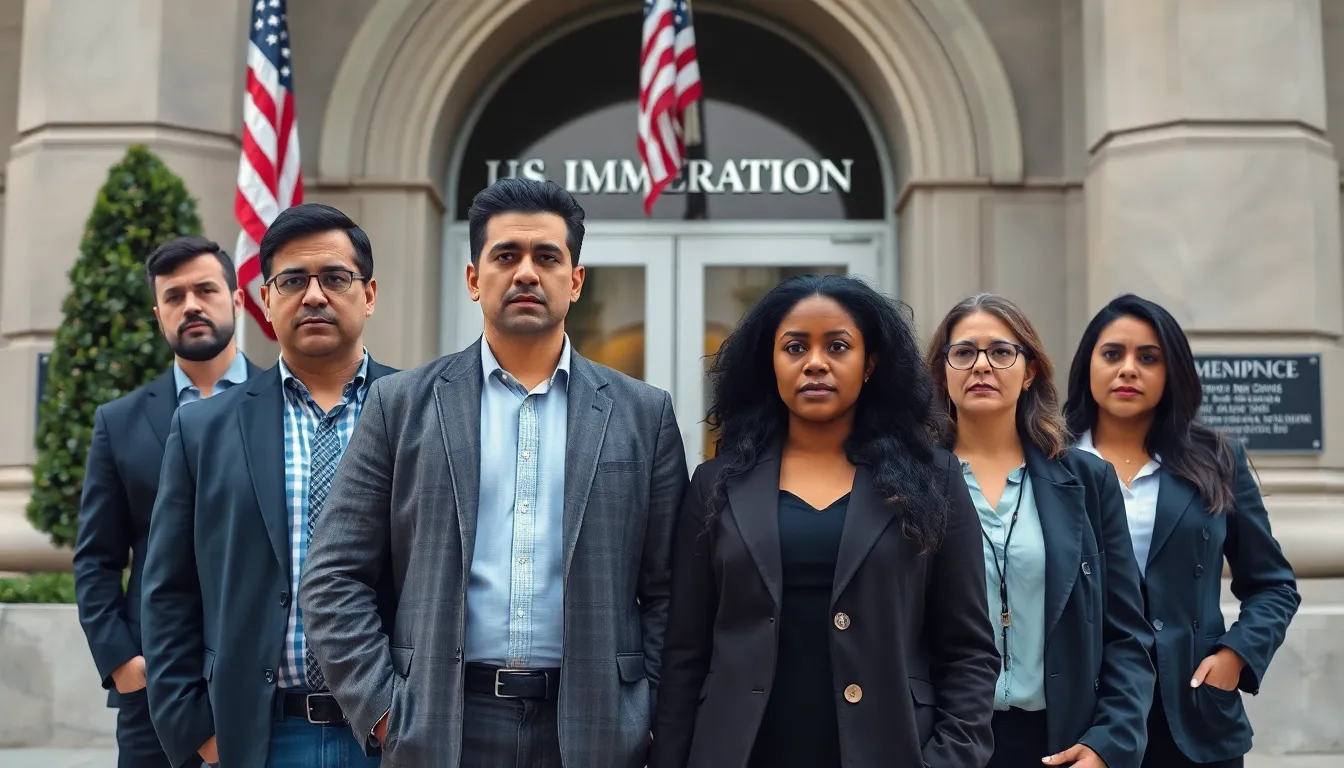
Understanding the legal framework surrounding travel bans is essential for green card holders affected by these restrictions. Legal complexities arise from immigration laws and executive orders that govern re-entry to the United States.
Immigration Laws and Regulations
U.S. immigration law outlines the rights and responsibilities of green card holders. The Immigration and Nationality Act (INA) establishes grounds for deportation, which can include extended absence from the U.S. Green card holders must remain aware of their permanent resident status, as too much time spent outside the U.S. may lead to claims of abandonment. Specific regulations under the INA can trigger additional scrutiny or complications upon re-entry. Furthermore, U.S. Citizenship and Immigration Services (USCIS) enforces these regulations, aiming to maintain the integrity of the permanent residency program.
Executive Orders Impacting Travel
Executive orders have significantly shaped travel policies since the inception of the recent travel bans. Various orders have targeted countries with perceived security threats, impacting green card holders in those nations. For instance, the 2017 executive order restricted travel from several predominantly Muslim countries, affecting many lawful permanent residents. These measures often lack clear guidelines for exemptions, causing confusion and uncertainty among green card holders. Ongoing litigation has arisen in response to these orders, as legal challenges seek to protect the rights of green card holders against arbitrary travel restrictions.
Effects on Green Card Holders
Travel bans significantly affect green card holders, influencing their emotional well-being, social connections, and economic stability.
Emotional and Social Consequences
Travel restrictions cause emotional distress for green card holders, leading to feelings of anxiety and isolation. Reuniting with family members becomes challenging, particularly for those with relatives in restricted countries. Social support networks face disruptions, making it harder for individuals to maintain essential relationships. The uncertainty surrounding travel can strain personal commitments, further exacerbating feelings of alienation. As green card holders assess their rights and navigate restrictions, many feel a loss of belonging within their communities.
Economic Implications
Economic consequences for green card holders include job loss or diminished career progression. Many individuals face difficulties attending work-related meetings or training opportunities due to travel limitations. Prolonged absences from the U.S. can lead to negative employer perceptions, impacting job security. Additionally, the fear of being unable to return to the U.S. might deter green card holders from pursuing job opportunities abroad. Such economic instability persists as green card holders grapple with the uncertainty of their legal status and employment prospects stemming from travel bans.
Public and Political Response
Public and political responses to the travel ban affecting green card holders have generated significant discourse. Reactions span a spectrum from advocacy for more inclusive policies to calls for stricter immigration controls.
Support and Opposition
Supporters of green card holders emphasize the importance of their rights as lawful permanent residents. Advocacy groups rally for protections against discrimination and urge policymakers to simplify travel requirements. Many argue that travel bans hinder family unity and disrupt essential business operations. Data from organizations like the American Immigration Council highlights that travel restrictions disproportionately affect individuals seeking to reunite with family members, prompting calls for legislative reform.
Opposition voices, including some political leaders, argue that travel bans enhance national security. They advocate for stringent immigration control measures to address perceived threats. Some constituents express fear regarding the potential implications of unregulated immigration, shaping a narrative that further complicates the discussion. These opposing views contribute to a polarized environment where solutions often remain elusive.
Impact on Future Immigration Policies
The ongoing debate around travel bans for green card holders influences future immigration policies. Legislative proposals aimed at reforming immigration practices are emerging as advocates push for more transparent guidelines. Public sentiment appears to favor policies that promote family reunification and economic opportunities for green card holders.
Experts predict that legal challenges will shape the next phase of immigration legislation. The rulings on travel bans will inform future executive orders, as policymakers seek to balance national security with the rights of green card holders. Greater clarity on immigration status, rights of re-entry, and the criteria for bans is essential for establishing a more equitable framework. Public advocacy efforts are expected to play a crucial role in shaping these policies, urging representatives to address the complexities faced by this segment of the population.
The complexities surrounding travel bans for green card holders continue to spark important discussions about rights and freedoms. As these individuals navigate the emotional and practical challenges posed by such restrictions, the need for clear guidelines and protections becomes increasingly evident. Advocacy efforts play a vital role in pushing for reforms that prioritize family unity and economic stability.
The ongoing legal battles highlight the importance of addressing the rights of lawful permanent residents, ensuring they are not left vulnerable to arbitrary policies. As public sentiment shifts and policymakers respond, the future of immigration reform may hinge on finding a balance between national security and the rights of those who contribute to the fabric of American society.