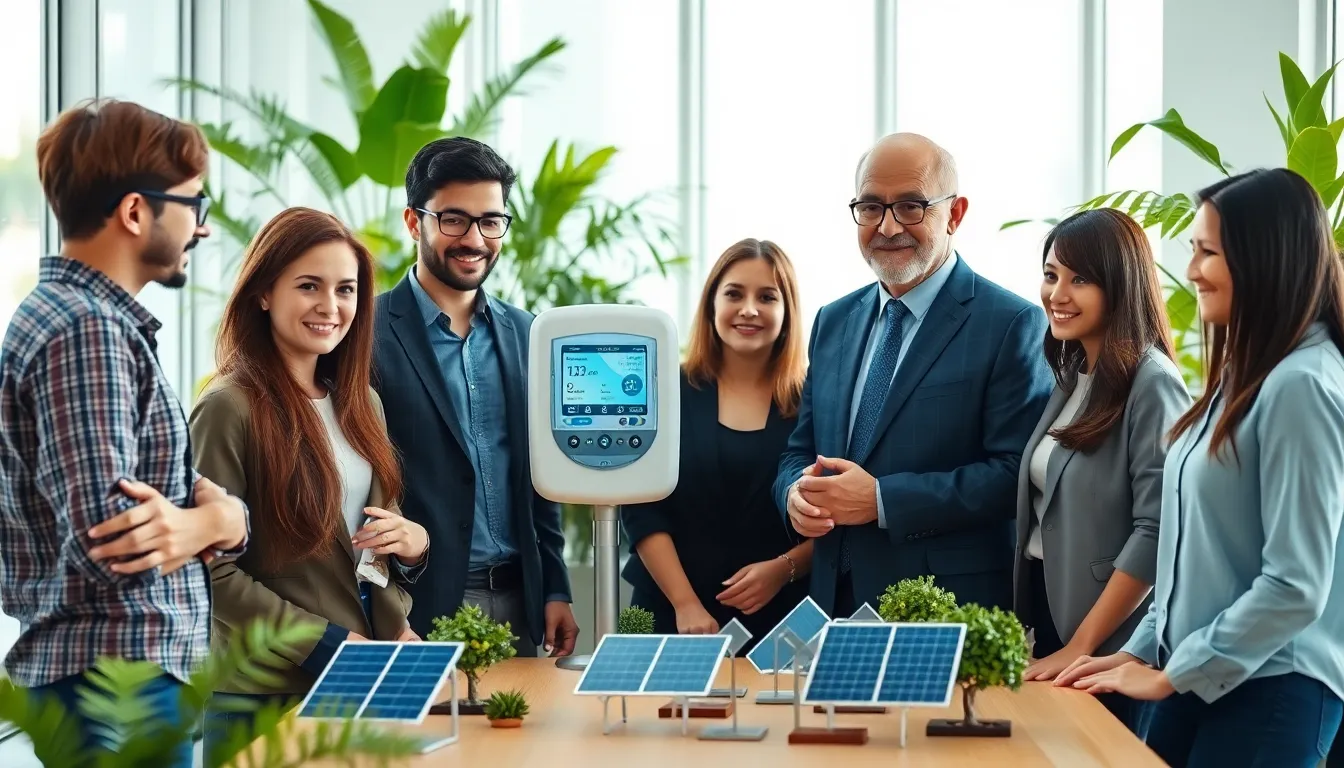
In a world where energy consumption is skyrocketing faster than a toddler on a sugar rush, IoT energy solutions swoop in like a superhero ready to save the day. Imagine a future where your devices not only talk to each other but also work together to cut costs and reduce waste. Sounds like a plot twist straight out of a sci-fi movie, right?
Overview of IoT Energy Solutions
IoT energy solutions offer innovative methods to manage and optimize energy usage. These systems utilize interconnected devices to monitor consumption patterns in real time. With data-driven insights, organizations can identify inefficiencies and implement targeted strategies.
Smart meters serve as a foundational element of IoT energy solutions. These devices provide detailed energy usage data, allowing for granular visibility over consumption trends. By analyzing this information, users may adjust their consumption behaviors or automate processes based on demand.
Energy management platforms integrate various IoT technologies into a cohesive system. These platforms facilitate the remote control of energy sources and devices, enhancing response times to fluctuations in energy demand. By using predictive analytics, they forecast energy needs, assisting in cost control and efficient resource allocation.
Renewable energy sources like solar panels benefit significantly from IoT integration. Sensors monitor performance and weather conditions, optimizing energy production and storage. IoT solutions provide the ability to balance consumption and generation in real time, reducing reliance on non-renewable sources.
Smart grids exemplify how IoT energy solutions transform traditional energy infrastructure. These networks enable two-way communication between utilities and consumers. Through this communication, users receive real-time updates on energy usage and pricing, empowering them to make informed decisions.
Overall, IoT energy solutions play a crucial role in modern energy management strategies. By leveraging advanced technologies, stakeholders can enhance energy efficiency, reduce environmental impact, and lower costs.
Benefits of IoT Energy Solutions
IoT energy solutions present numerous advantages, enhancing energy management and optimizing resource usage. The integration of smart technologies transforms energy consumption patterns.
Improved Energy Efficiency
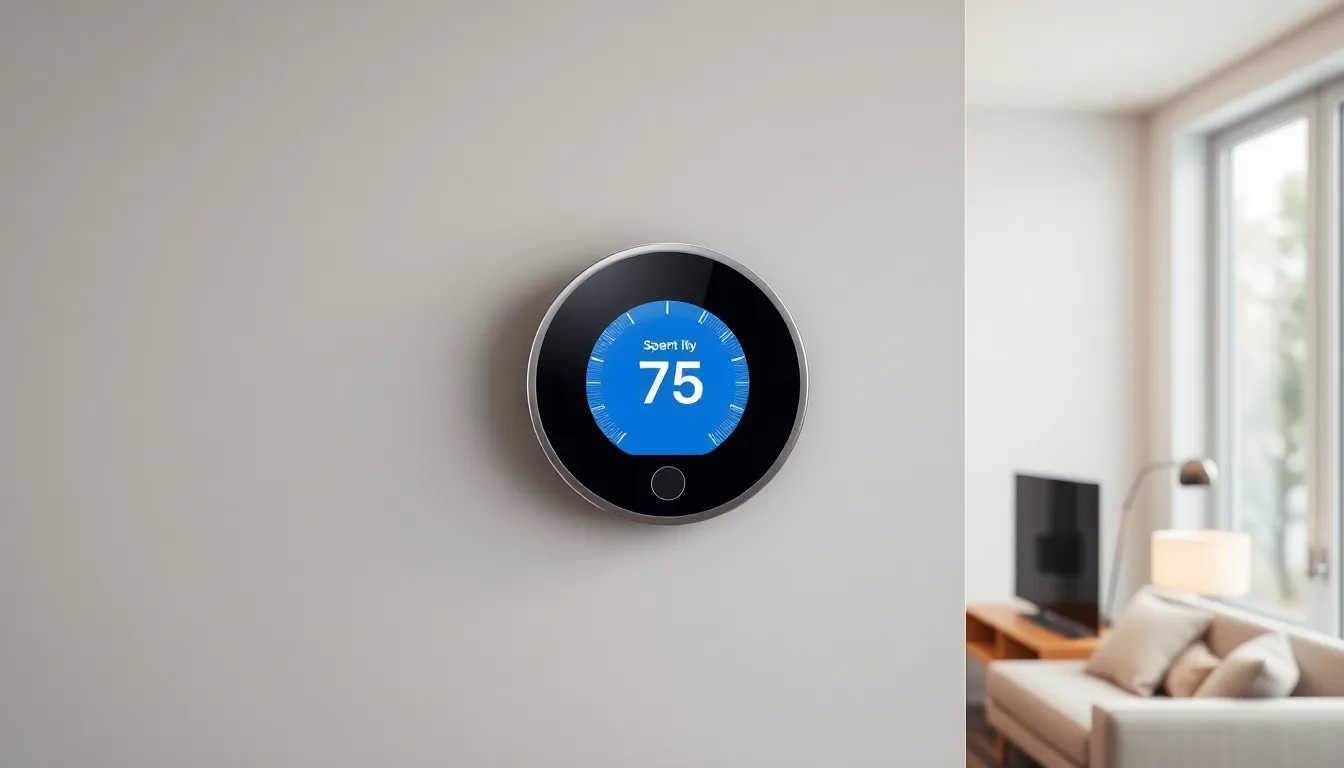
Improved energy efficiency emerges as a critical advantage of IoT energy solutions. Devices optimize energy usage by adjusting their operations based on real-time data. For instance, smart thermostats automatically regulate heating and cooling systems, leading to significant energy savings. This optimization reduces waste, enabling households and businesses to conserve energy without compromising comfort. Moreover, automated systems can prevent overconsumption during peak times, further enhancing overall efficiency.
Real-Time Monitoring Capabilities
Real-time monitoring capabilities offer another substantial benefit of IoT energy solutions. Users gain access to instantaneous updates on energy consumption patterns through smart meters. Analytics provide insights into usage trends, allowing users to identify inefficiencies promptly. This immediate feedback encourages informed decision-making regarding energy habits. As a result, businesses can implement targeted strategies to reduce energy costs while minimizing their environmental footprint. The combination of data analytics and accessible information empowers users to manage their energy consumption effectively.
Key Technologies in IoT Energy Solutions
IoT energy solutions employ several key technologies that enhance energy management and efficiency. These technologies empower users to optimize their energy consumption effectively.
Smart Meters
Smart meters serve as vital components in the IoT energy ecosystem. They gather detailed real-time data on energy usage, allowing consumers to monitor their consumption patterns closely. Instantaneous feedback provided by smart meters enables individuals and businesses to adapt their energy habits as needs change. Enhanced accuracy in billing results from smart meters, reducing disputes over energy costs. Many smart meters integrate with mobile applications, giving users access to energy data on-the-go, which encourages informed decision-making regarding energy-saving strategies.
Energy Management Systems
Energy management systems play a crucial role in optimizing energy resources. These platforms aggregate data from various IoT devices, facilitating centralized control over energy consumption. Users benefit from predictive analytics, which forecasts energy needs based on consumption trends. Flexibility in managing energy sources becomes possible with energy management systems, empowering users to shift loads or implement demand response strategies. Automation features within these systems promote energy efficiency by optimizing usage patterns according to real-time information, thus significantly reducing operational costs over time.
Challenges in Implementing IoT Energy Solutions
Implementing IoT energy solutions faces several challenges. Organizations must address various factors to achieve successful integration.
Data Security Concerns
Data security remains a critical issue in IoT energy solutions. Cyber-attacks can target smart devices, jeopardizing sensitive user information. Users need assurances that their data is secure as they interact with connected systems. Establishing robust encryption methods can mitigate risks and safeguard data. Regulatory compliance enhances trust, ensuring that systems meet legal standards. Vulnerabilities can also arise from third-party applications that access energy data, necessitating stringent vetting processes.
Integration with Existing Infrastructure
Integrating IoT energy solutions with existing infrastructure poses significant hurdles. Compatibility issues may arise when connecting new technologies to legacy systems. Upgrading older infrastructure to accommodate IoT devices often demands substantial investment. Stakeholders must evaluate cost implications and technical feasibility before embarking on integration projects. Communication between various technologies also requires careful planning to ensure seamless operation. Organizations can benefit from conducting thorough assessments and developing tailored strategies that address unique infrastructure needs.
Future Trends in IoT Energy Solutions
Emerging trends in IoT energy solutions showcase significant technological advancements that enhance efficiency and performance in energy management.
Advances in Sensor Technology
State-of-the-art sensors offer real-time data collection, optimizing energy usage across various environments. Wireless technology connects these sensors seamlessly to energy management systems. Notably, improvements in accuracy and sensitivity lead to better monitoring of energy consumption. As a result, organizations can detect anomalies swiftly, addressing inefficiencies before they escalate. Sensors now monitor not only consumption but also environmental factors like temperature and humidity, allowing for adaptable energy strategies. Research shows investments in advanced sensors yield substantial returns through energy savings and operational improvements.
Increased Automation
Increased automation transforms energy management by reducing manual input and enhancing operational efficiency. Smart devices automate processes based on real-time data, including adjustments to energy distribution and consumption patterns. Systems utilize machine learning to identify trends, enabling proactive energy management. Predictive algorithms inform decisions, anticipating energy needs before demand surges. Moreover, automated adjustments empower users with hands-free control of their energy systems. Companies witnessing automation report significant reductions in operational costs while improving environmental sustainability. Adopting these automated IoT solutions accelerates transitions to more efficient energy systems.
Conclusion
The future of energy management lies in the hands of IoT solutions that revolutionize how energy is consumed and monitored. By integrating smart technologies with renewable sources and advanced analytics, organizations can achieve unprecedented efficiency and sustainability. As they navigate the challenges of implementation and data security, the potential for cost savings and environmental benefits becomes increasingly clear. Embracing these innovations not only empowers consumers but also paves the way for a more sustainable energy landscape. The journey toward smarter energy solutions is just beginning, and the possibilities are limitless.