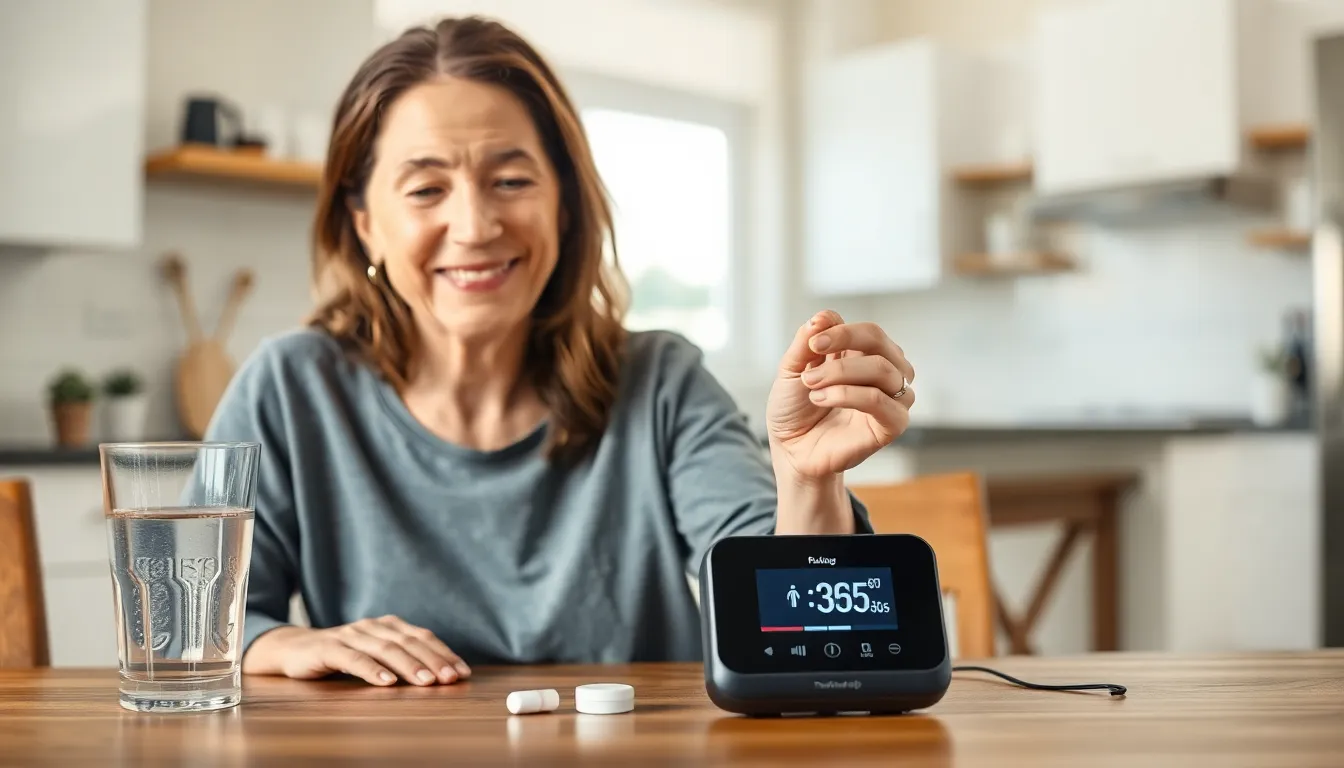
In a world where forgetting your keys is a daily occurrence, keeping track of medication can feel like a game of hide and seek. Enter IoT medication reminders, the clever little gadgets that ensure no pill goes unpopped. These smart solutions are like having a personal assistant who’s not only organized but also a bit pushy—without the awkward small talk.
Imagine a life where you never have to scramble for your meds while racing against the clock. With IoT technology, reminders buzz, beep, or even send you a cheeky text, nudging you to take that all-important dose. It’s time to say goodbye to the chaos of missed medications and hello to a healthier, more organized life. After all, who wouldn’t want a tech-savvy buddy that’s got their back—especially when it comes to health?
Overview of IoT Medication Reminders
IoT medication reminders utilize smart technology to assist users with medication management. These devices enhance adherence, ensuring individuals take their medications as prescribed.
Definition and Purpose
IoT medication reminders consist of connected devices that alert users when it’s time to take their medications. They offer notifications through various methods like buzzes, beeps, or text messages. Such technology aims to minimize the risk of missed doses and support individuals in managing their health more effectively. By integrating with apps or devices, these reminders provide crucial insights into medication schedules. These systems can track adherence levels and alert caregivers if a dose is missed.
Importance in Healthcare
In healthcare settings, IoT medication reminders play a vital role in improving patient outcomes. They contribute to better medication adherence, which reduces the risk of complications from missed doses. Adherence rates can increase significantly, leading to fewer hospital visits and improved overall health. Additionally, these reminders empower patients to take control of their health, fostering independence and confidence. By bridging communication between patients and healthcare providers, they enhance the quality of care through timely data sharing.
Features of IoT Medication Reminders

IoT medication reminders feature several advanced capabilities tailored to enhance medication management. These capabilities significantly improve user adherence to prescribed medication schedules.
Smart Technology Integration
Smart technology integration enables real-time communication between devices and users. Devices connect seamlessly with smartphones, tablets, or wearables, providing timely alerts. Notifications arrive through various methods, including sound, vibration, or visual cues. Connected applications allow users to customize their reminders, selecting preferred sounds or setting personalized schedules. Data collection informs users about their adherence trends, offering insights into medication habits. Integration with health records permits healthcare providers to monitor patient compliance efficiently.
User-Friendly Interfaces
User-friendly interfaces facilitate easy navigation for all age groups. Simple designs prioritize accessibility, ensuring that users quickly understand and operate devices without extensive training. Visual icons denote different medication schedules, making it straightforward to track doses. Users can set and modify reminders using touch screens or voice commands, creating a hassle-free experience. Furthermore, guided tutorials assist new users in maximizing the device’s features. Supportive help options ensure immediate assistance for troubleshooting, promoting user confidence in managing their medication effectively.
Benefits of Using IoT Medication Reminders
IoT medication reminders significantly enhance medication management. They offer users timely notifications and personalized alerts, helping individuals adhere to their medication schedules effectively.
Improved Medication Adherence
Improved adherence stems from consistent reminders provided by these smart devices. Users receive alerts via buzzes, beeps, or texts, ensuring they remember essential doses. Statistics reveal that adherence rates can increase by up to 50% when utilizing such technology. Automated tracking features inform users about their adherence levels and highlight missed doses. Clear visual cues assist in understanding medication schedules, promoting accountability. Caregivers also benefit, as these devices can notify them about adherence issues, leading to timely interventions. Customization options enable users to tailor notifications based on preferences, ensuring effective communication.
Enhanced Patient Outcomes
Enhanced patient outcomes arise from reduced complications associated with missed doses. Studies indicate that patients using IoT medication reminders experience fewer hospitalizations and emergency visits. Improved medication adherence lowers the risk of adverse effects and increases the effectiveness of treatments. As a result, healthcare providers report streamlined communications with patients due to real-time data sharing. Empowered by these reminders, patients gain confidence in managing their medications independently, promoting overall wellness. The technology fosters collaborative care between patients and providers, enhancing the quality of healthcare delivery.
Challenges and Considerations
IoT medication reminders offer many benefits, but challenges exist. Several factors need consideration to ensure these devices function effectively and maintain user trust.
Data Privacy and Security
Data privacy remains a significant concern with IoT medication reminders. Personal health information must be protected from unauthorized access and breaches. Security measures like encryption and secure data transmission can help guard sensitive information. Users should inquire about the security protocols in place, including how data is stored and shared. Regular software updates and robust security features also contribute to maintaining privacy. Transparency from providers regarding data usage policies builds confidence among users, who prioritize their health information’s safety.
User Acceptance and Accessibility
User acceptance plays a critical role in the success of IoT medication reminders. The devices must be intuitive and easy to use. Simple designs, clear visual cues, and comprehensive tutorials enhance user experience. Accessibility is vital for individuals across various age groups and tech-savvy levels. Understanding the needs of older adults or those with disabilities can drive improvements in product design. Effective communication about the device’s benefits can encourage adoption, ensuring that users actively engage with their medication management.
Conclusion
IoT medication reminders represent a significant advancement in managing medication adherence. These devices not only simplify the process of taking medications but also foster greater independence among users. With features designed for ease of use and real-time communication, they enhance the overall healthcare experience.
By addressing challenges like data privacy and user acceptance, IoT medication reminders pave the way for more effective medication management. As technology continues to evolve, these smart solutions will likely play an even more critical role in promoting health and well-being. Embracing this innovation can lead to improved patient outcomes and a more organized approach to medication adherence.